
Beach Holiday Ideas for Kids this Summer
Swap screen time for tide time this summer. Yes, instead of arguing and prizing the tablet from your kid’s hands, just change the scenery. Take them to the coast, nature’s ultimate playground. Hit them with waves, caves and coastlines filled with unpredictable, fascinating adventure. For a start, in bright coastal light those screens are difficult to see, and as the horizon widens it naturally sparks kids imagination.
Scrolling is replaced with discovering, especially if you have a plan. With the activities below, just a few hours by the sea can reset restless minds, encourage curiosity and remind your kids how good it feels to play outside together. The best part? Elemental joys are not expensive, and they turn into lifelong memories.
Sand Games: Castles, Kingdoms & Sand Mermaids
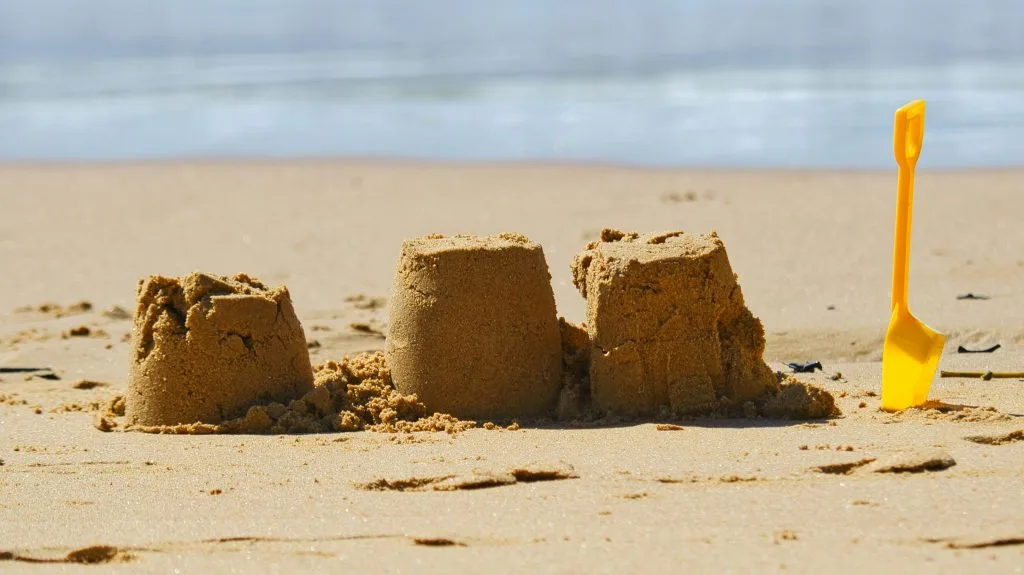
There is something timeless about watching a child kneeling by the sea building a sandcastle. Woolacombe Beach, one of the best beaches in Devon, Bamburgh Beach in Northumberland, Perranporth Beach in Cornwall and Rhossili Bay in Wales offer those perfect wide, flat expanses of sand that inspire grand architectural ambition. Encourage them to go beyond the standard bucket-and-spade turret. Build forts with moats complete with drawbridges. Sculpt mythical sand mermen and mermaids with shells for crowns and seaweed hair, or allow your kids to convert mum into a mummy-maid!
Bonding with your kids might require ferrying water from the sea and collaborating on all fours, but these hours are precious and when the tide eventually claims the masterpiece, it feels less like loss and more like ceremony.
Rock Pooling: Mini Marine Expeditions
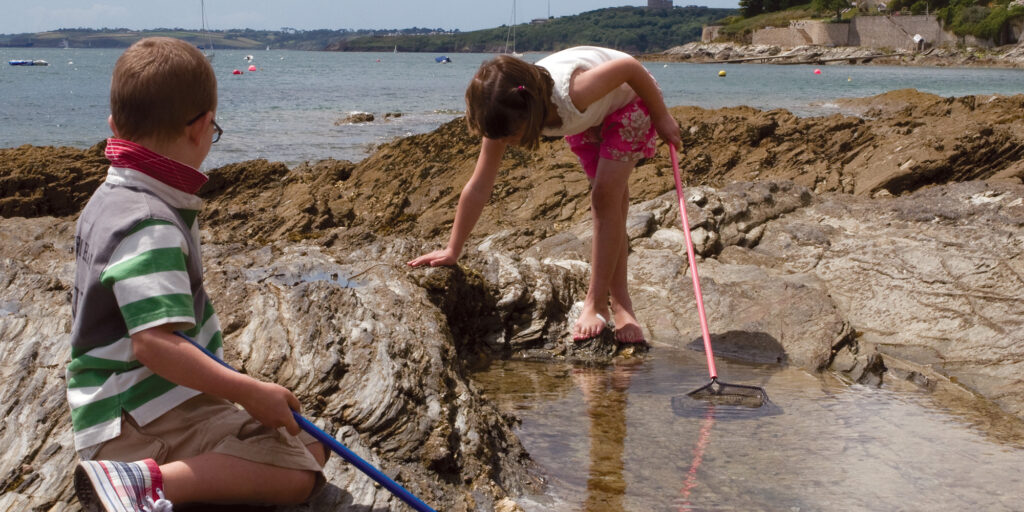
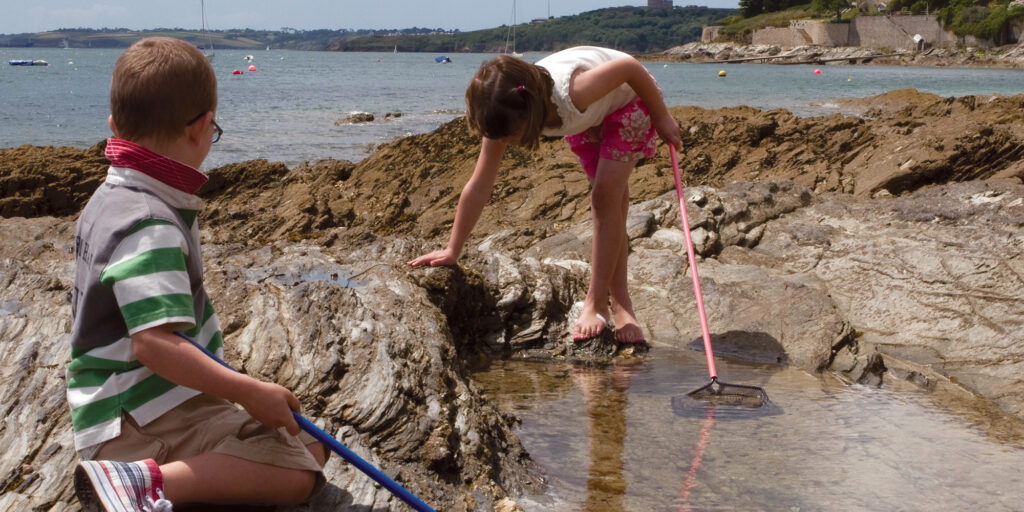
Few things spark curiosity like crouching over a tidal rock pool and discovering an entire new world beneath the water. Every region by the sea offers shores rich with shallow pools at low tide. Armed with a small net and bucket children can witness all kinds of creepy-crawlies and name creatures such as crabs, blennies, anemones, shrimp, sea slugs, urchins, starfish, limpets and barnacles. The list is long and bountiful especially at beaches that are a little wilder, like Treyarnon Bay in Cornwall, Kimmeridge Bay in Dorset, Robin Hood’s Bay in Yorkshire and Compton Bay on the Isle of Wight. Then there’s the UK’s largest chalk reef on West Runton Beach in Norfolk and the untouched coastline of Scotland.
The magic lies in naming what you find, with parents becoming impromptu marine biologists, while your little David Attenborough’s learning feels exciting and immediate. It’s hands-on science in the open air and totally absorbing.
Beachcombing: Treasure Hunting with Purpose
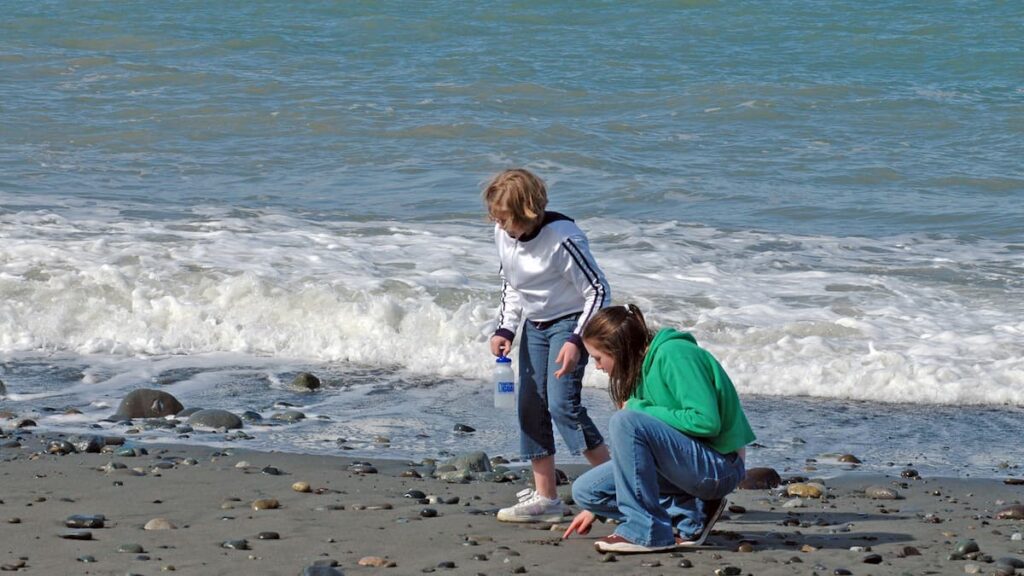
Early morning is prime treasure time. As the tide retreats, it reveals smooth sea glass, spiral shells, driftwood, ceramics and curious pebbles. The wilder the beach the better, especially at low tide. Seaham Beach, in Northumberland is famous for sea glass, as is Dunwich Beach and Southwold Beach in Suffolk. For shells there’s Holkham Beach in Norfolk and Camber Sands in Sussex, especially around the dunes.
Turn the hunt into a mission, see who can find the bluest piece of glass, the smallest shell, the most unusual shape! The fun doesn’t stop when you leave the beach. Back home, those treasures become craft projects: memory jars, decorated boxes, mosaic frames, even lamps covered with glowing sea glass, all worth a small fortune on Etsy! The beach continues living in your home long after the holiday ends.
Fossil Hunting: Real-Life Dinosaurs Beneath Your Feet
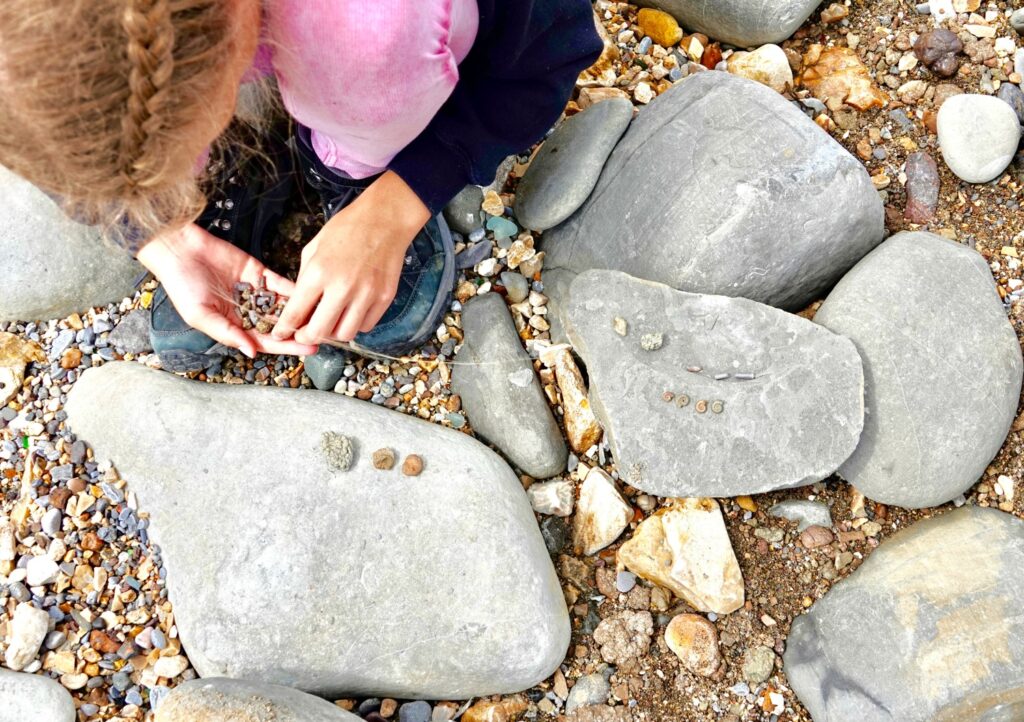
If you want a fully charged thrill for your first fossil hunt, including evidence of Dinosaurs that lived 140 million years ago, then there are two famous coastlines: Firstly there’s Dorset’s Jurassic Coast, namely Lyme Regis beach, Monmouth beach and Charmouth Beach for fossils, and Portland or Spyway near Swanage, where you can see actual Dinosaurs prints! Then there is the Isle of Wight, mostly on Compton Bay, but also around Brook Bay, Brighstone Bay and Shanklin Beach. The coastline in Yorkshire and Suffolk also offer exciting fossil opportunities with many of these fossil beaches offering guided fossil walks with experts who explain the ancient seabed and dramatic geological shifts.
Fossil hunting teaches patience and attention because ammonites and belemnites only reward those who look closely, but even the tiniest treasure evokes pure wonder. Holding a 200-million-year-old fossil in your palm changes how you see the world.
Flying Kites & Frisbee: Wind-Powered Joy
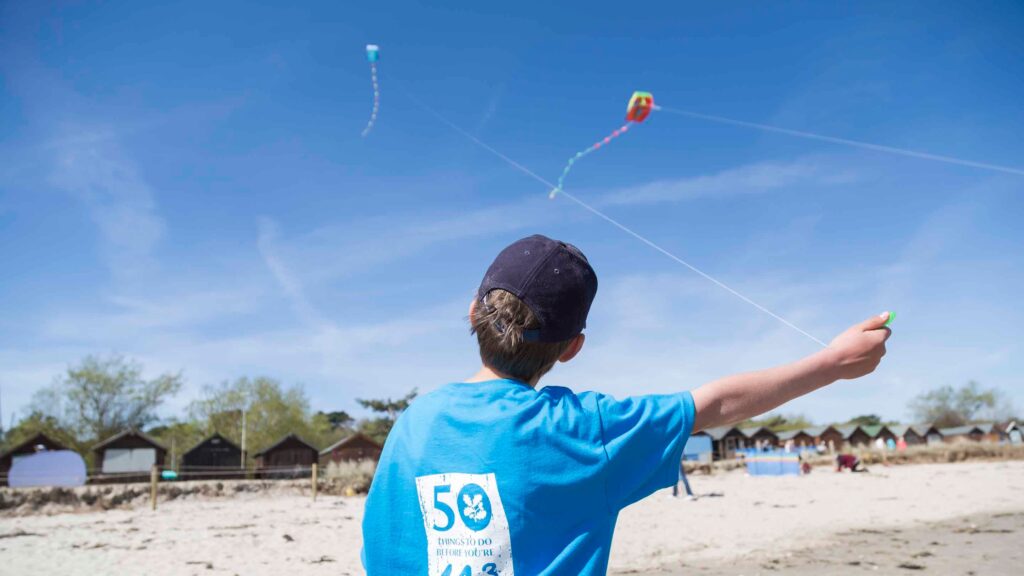
The British coast was made for kites. Head to wide beaches like Crosby Beach in Merseyside, Pendine Sands in Wales, Berrow Beach in Somerset, Watergate Bay in Cornwall or Hunstanton Beach in Norfolk, where steady sea breezes lift even modest kites high into the skies. Watching it soar feels exhilarating, a simple joy powered entirely by wind.
Frisbee adds another layer of energy and can be enjoyed on any beach. It’s exercise disguised as fun, and if you’ve brought the dog, they’ll be the happiest participant of all. The sheer space encourages running, jumping and diving, the kind of physical freedom children don’t get inland.
Surfing & Bodyboarding: First Taste of the Waves
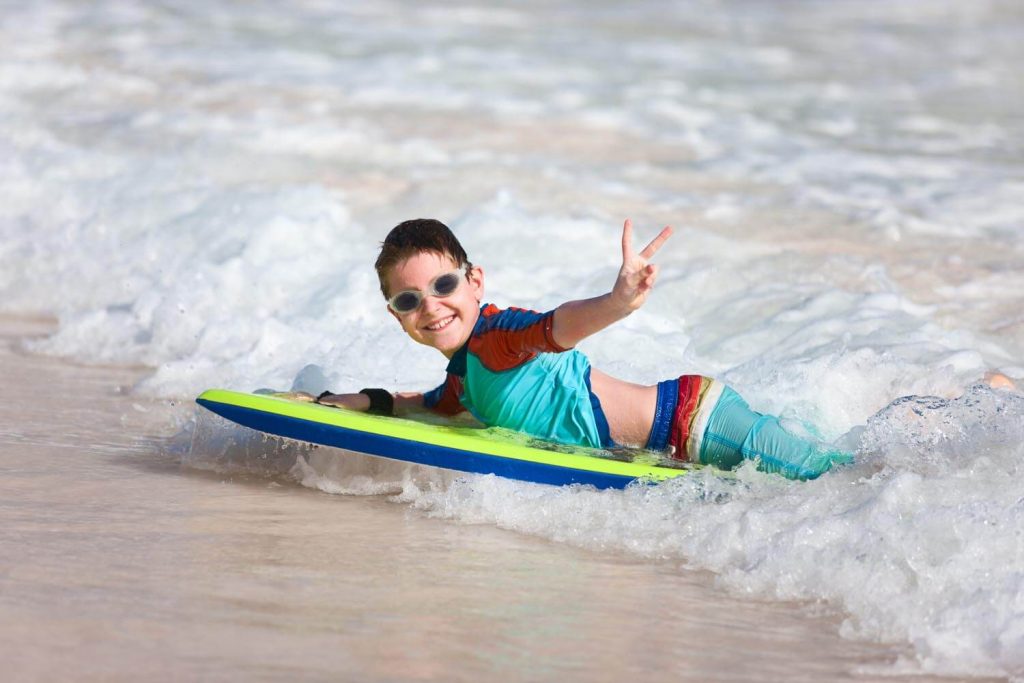
The first time a child catches a wave, however small, their confidence skyrockets. There’s something empowering about harnessing the sea, it builds resilience, balance and bravery in equal measure. And you don’t need to raise the next world champion, so almost any beach in the UK with waves will suffice for bodyboarding, which is accessible, affordable and doesn’t require lessons to get started.
That said, the ‘real’ suffers will tell you that the best beaches for surfing are in Devon, Cornwall and Wales. The likes of Croyde Beach, Woolacombe and Saunton Sands are the Devonian Meccas, while in Cornwall the beaches in and around Newquay and Bude still reign supreme. Wales challenges with Porthcawl and the Gower Peninsula, and even Saltburn in Yorkshire claims to be a surf beach! All offer excellent surf schools with patient, safe-conscious trainers.
Kayaking & Paddleboarding: Calm-Water Confidence
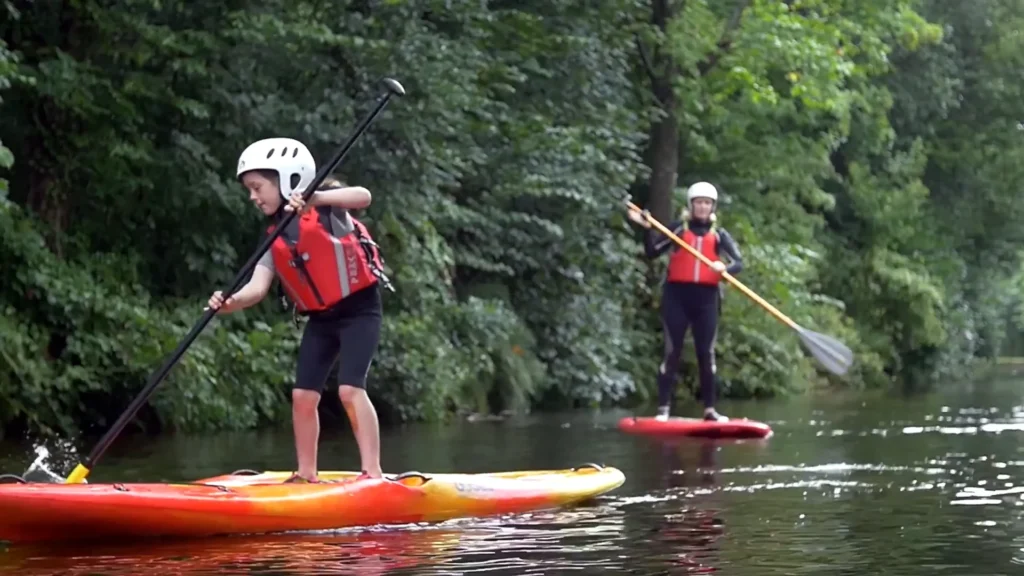
Sheltered bays and estuaries are perfect for kayaking and paddleboarding. The water feels manageable, the pace gentle and children quickly grasp the basics and love the novelty of treading water. With a life jacket, it’s safe adventure. You’ll probably find that the younger kids are best in kayaks and teens prefer paddleboards, but you’re guaranteed that both feel quietly triumphant with every successful stroke.
Almost any estuary will do from Alnmouth in Northumberland to Abersoch in Wales. For the most picturesque estuaries head for Helford River or St Mawes in Cornwall, Salcombe in Devon or Dyfi Estuary in Wales.
Crabbing: Harbour Wall Strategy
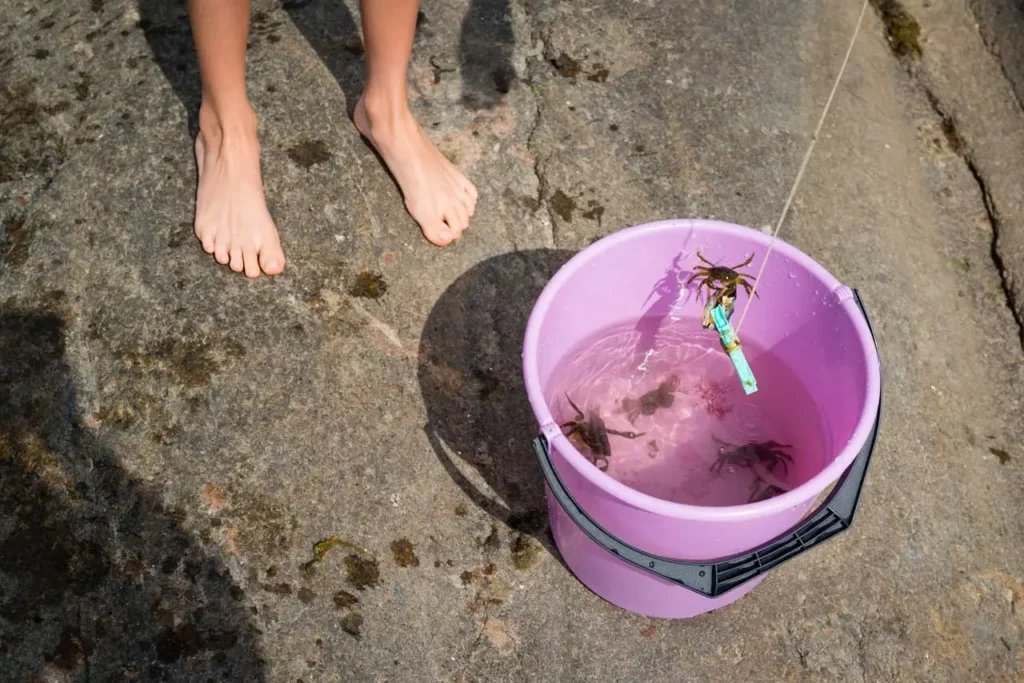
Harbour walls are arenas of childhood suspense. All you need is a line, a net and a piece of bacon and they’re little David Attenboroughs. Places like Whitby in Yorshire, Tenby in Pembrokeshire, Wells-next-the-Sea in Norfolk and Mevagissey in Cornwall are legendary crabbing spots. The trick? Lower the bait slowly and lift steadily once you feel movement.
The excitement when a crab surfaces, legs flailing, is unmatched. Count them, admire them, then gently release them back into the water. It’s competition, patience and teamwork rolled into one.
Sea Caving: Safe Adventures
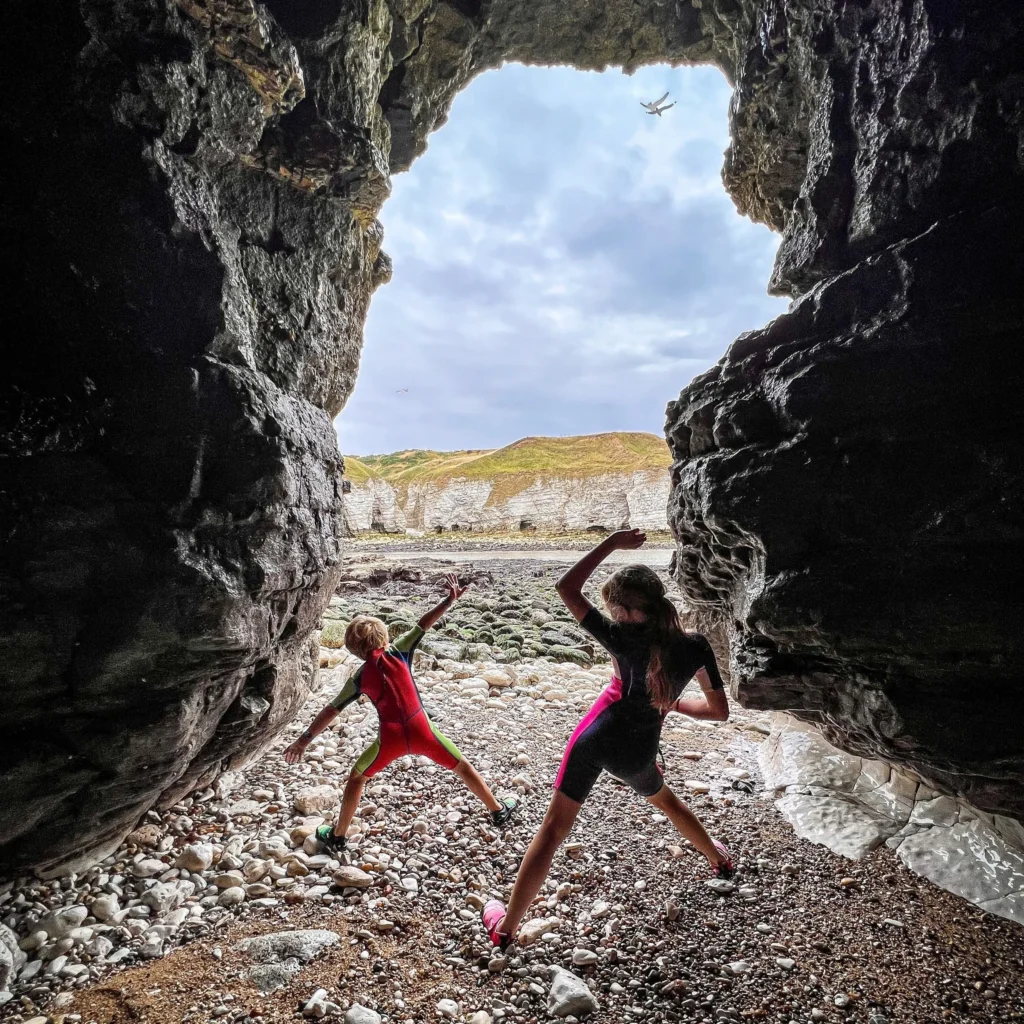
Certain UK beaches offer safe, tide-aware cave exploration. At low tide, places like Porthgwarra and Holywell Bay in Cornwall, Marloes Sands in Pembrokeshire or Robin Hood’s Bay in Yorkshire reveal fascinating sea-carved chambers.
For children, stepping inside a cave feels totally intrepid. The echo of waves, filtered light and hidden textures make it unforgettable. Always check tide times and never enter caves at risk of flooding.
Beach Picnics: Sunset Hot Chocolate & Night BBQs
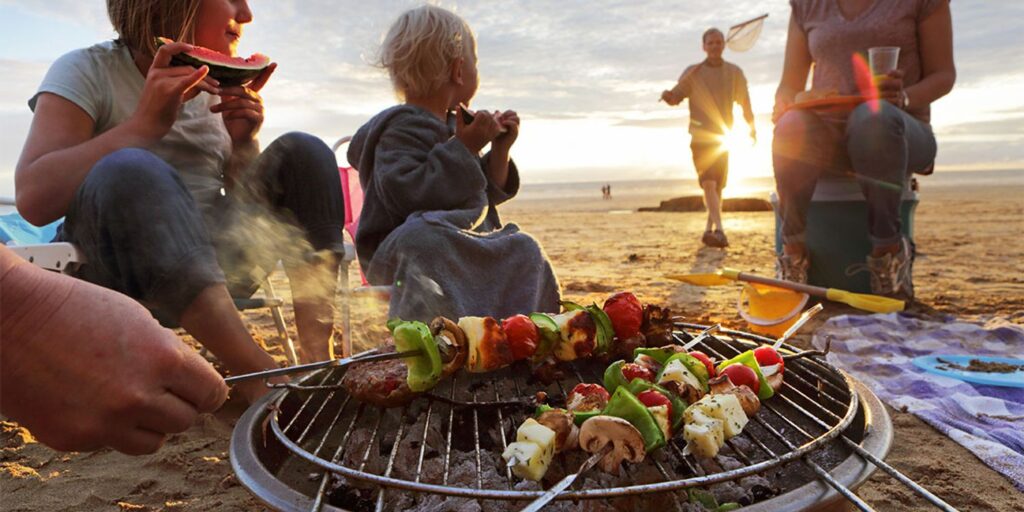
Beach days shouldn’t end when the sun lowers. Stay. Lay out blankets. As the light softens, unwrap sandwiches, pies, sausage rolls and homemade treats. When dusk falls, pour hot chocolate from a flask and watch colours shift across the sea.
There are loads of beaches across the Uk where sunset BBQs are permitted and there are few things more memorable than staying longer than everyone else, grilling sausages and toasting marshmallows, especially when the stars appear. They look brighter than they ever look inland , especially one with no light pollution like on Holy Island in Northumberland, Porthcurno Beach in Cornwall, West Bexington Beach in Dorset, Newgale Beach and Poppit Sands in Pembrokeshire.
Beach Olympics: Natural Competition
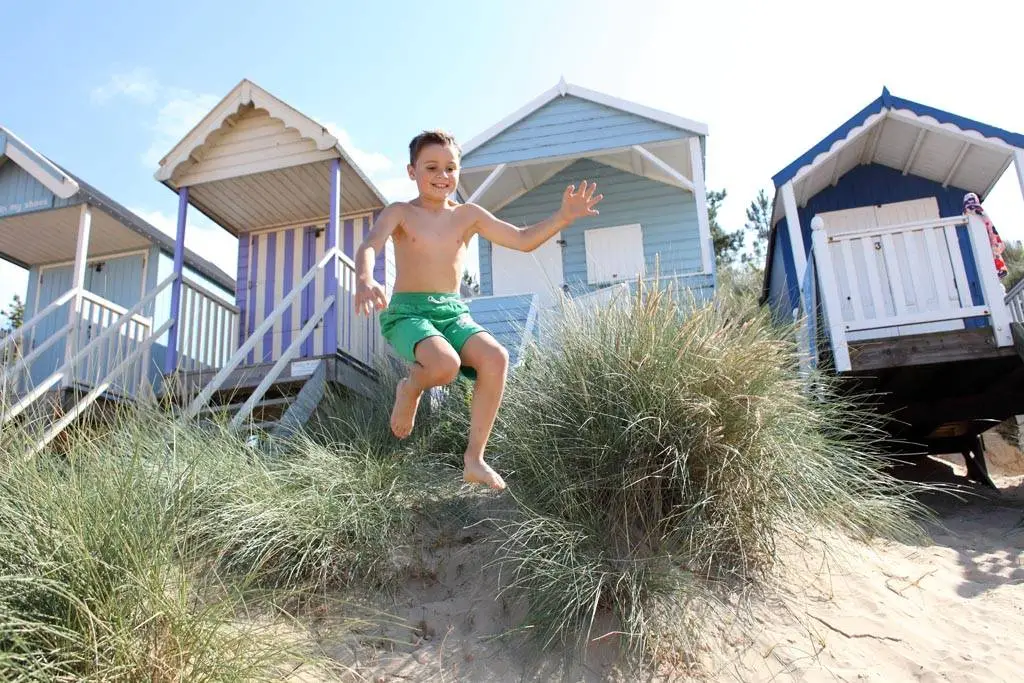
Organise a family “Beach Olympics.” Sprint races along the shoreline. Long jump competitions in soft sand. High jump and hurdles where kids can collect driftwood to practice the Fosby Flop, or Relay races with driftwood batons. Beach cricket or rounders pitches can be drawn onto wide, flat sands.
It costs nothing and leaves everyone joyfully exhausted. Any of the big beaches will serve as your coastal arena and there can be medals and prizes for the champions.
Wildlife Spotting: From Shore to Sea
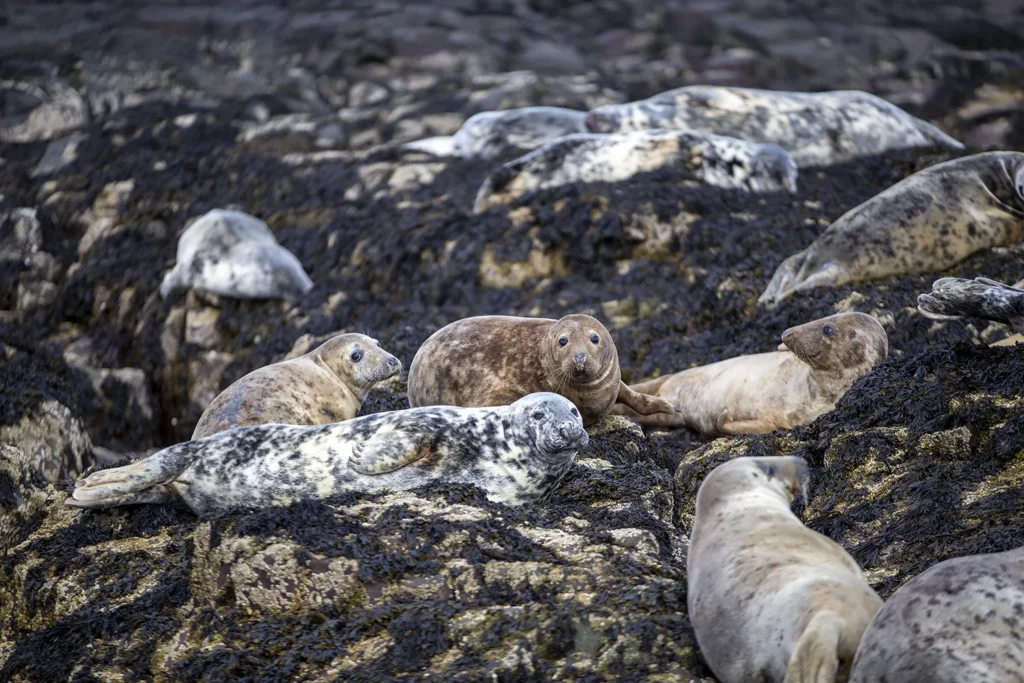
The British coastline is alive if you know where to look. Seabirds are constant companions, cormorants drying wings, gulls free-wheeling in thermals overhead. In certain seasons, puffins gather around Farne Islands in Northumberland, Croquet Island in Yorkshire or Skomer Island in Wales. Seals bask on many shores around the North Sea, Irish Sea and Atlantic. Most popular haunts are Norfolk, Yorkshire and Northumberland and Dolphins can be spotted off Cardigan Bay in Wales, off Berry Point in Devon and off Lands End in Cornwall.
A pair of binoculars can turn distant shapes into thrilling sightings, but if the budget allows, a boat trip transforms the experience. Watching seals up close or spotting a dolphin’s arc in the distance becomes a memory children carry forever.
Visit a Lighthouse: Icons of the Coast
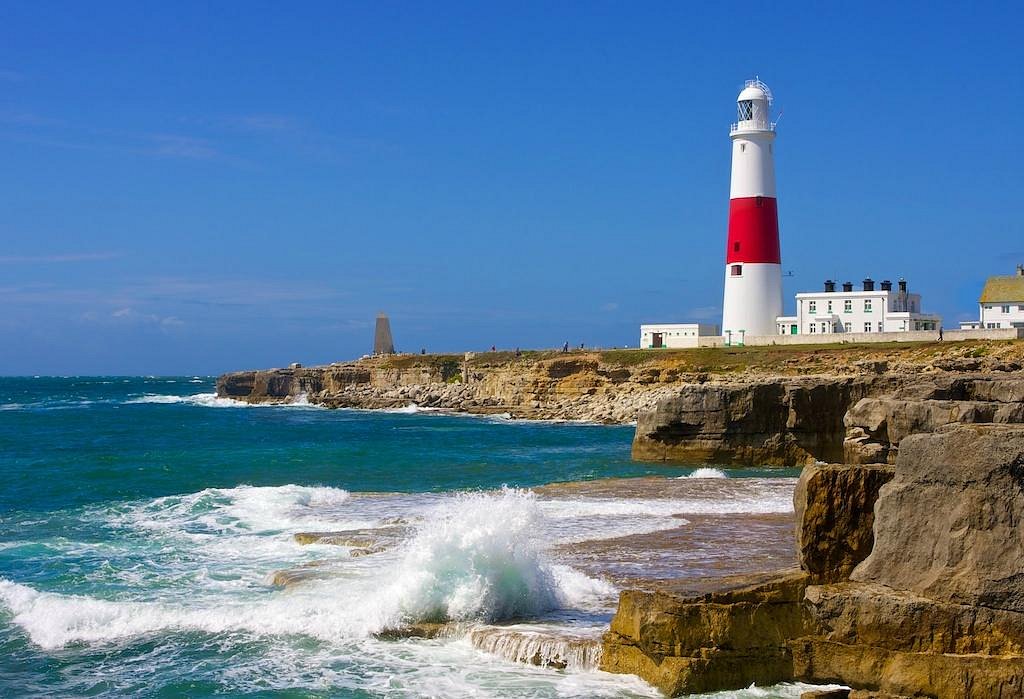
Lighthouses are iconic coastal monuments that feel heroic and historic, symbols of guidance and endurance. There are out 400 across the UK’s coastline, 300 of which are still active and their light can reach over 37 km, only limited by the earth’s curvature! Climbing to the top of them is simply unforgettable.
For children, they feel like castles of the sea that with panoramic views and stories of storms and shipwrecks. If you’d like to climb one, head to Portland Bill in Dorset, South Stack in Anglesey, St Mary’s and Souter (1st electric) in Northumberland, Southwold in Suffolk, Start Point in Devon, Happisburgh in Norfolk and New Flamborough in Yorkshire.
Book a Family Friendly Coastal Holiday Cottage
A British beach offers more than a day out. It offers childhood as it should be: messy, windswept, curious and free. And whilst it is important for your kids to go off and be wild, it is also precious time for you to connect with them.
Remember a family who plays together, stays together. To secure a great place to stay, check out all of the UK coastal cottages listed with us, many that are family friendly, allow pets and are located by the sea.