
UK Coastal Spots to Reconnect with Nature
The reason we are naturally drawn to the coast is because it magically cuts through the noise of modern life and instantly connects us to the rhythm of nature. You know that moment, often unexpected and quietly thrilling, when the first glimpse of the blue sea hits you and works its way under your skin. Your nostrils flare to catch the salty scents and your ears crave the hush of endless waves and the cry of seabirds. It’s called Biophilia and refers to the human need to affiliate with the natural world.
Because we are not meant to spend so much time indoors stressing under strip lighting and screens, making this a brilliant activity for children. It’s so good for us to spot the subtle changes in nature’s seasons and notice the signals of wildlife and, in doing so, we recover parts of our true selves. So, read on to discover some of the UK’s most inspiring coastal spots for getting back in touch with nature, and find out why it matters more than ever. Image credit
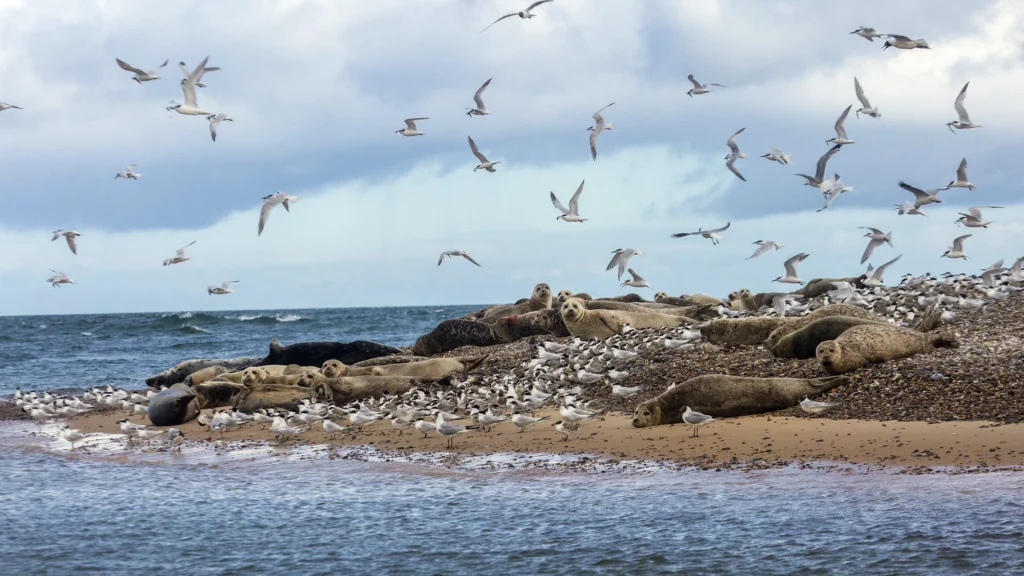
Seals and Puffins at The Farne Islands, Northumberland
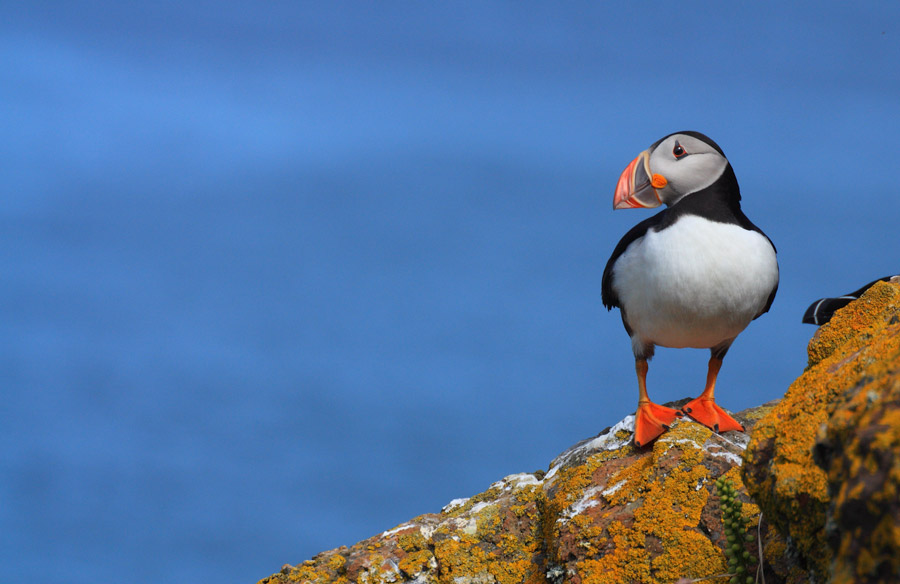
Few places capture the raw beauty of the UK coastline in spring and summer quite like the Farne Islands near Seahouses in Northumberland. Sir David Attenborough declared it his favourite place in the UK to view nature. These fascinating islands are one of the UK’s most important wildlife habitats and promise the most unforgettable coastal experience.
Each spring and summer, tens of thousands of birds return to nest here in the North East, transforming the islands into an audacious spectacle. Puffins are the stars of the show, with their colourful beaks and comical energy, darting between sea and burrow on endless fishing trips. Then there’s the fearless Arctic terns, famous for their epic migrations from the Arctic to the Antarctic and happy to loot a Puffins bounty, as they swoop overhead. As a side show, Guillemots and razorbills pack tightly onto whats left of the cliff ledges, creating a totally awesome energy.
But these birds aren’t alone, because below the surface, lives the largest grey seal colonies in England. Thousands of seals playfully dart, dive and surface tireless around you. By Autumn you can witness seal pups being born. But, what makes this experience so powerful is the sheer density of wildlife. Everywhere you look, something is happening: be it birds calling, swooping and fishing, while seals bob about all around you.
Sea Birds on Bempton Cliffs, Yorkshire
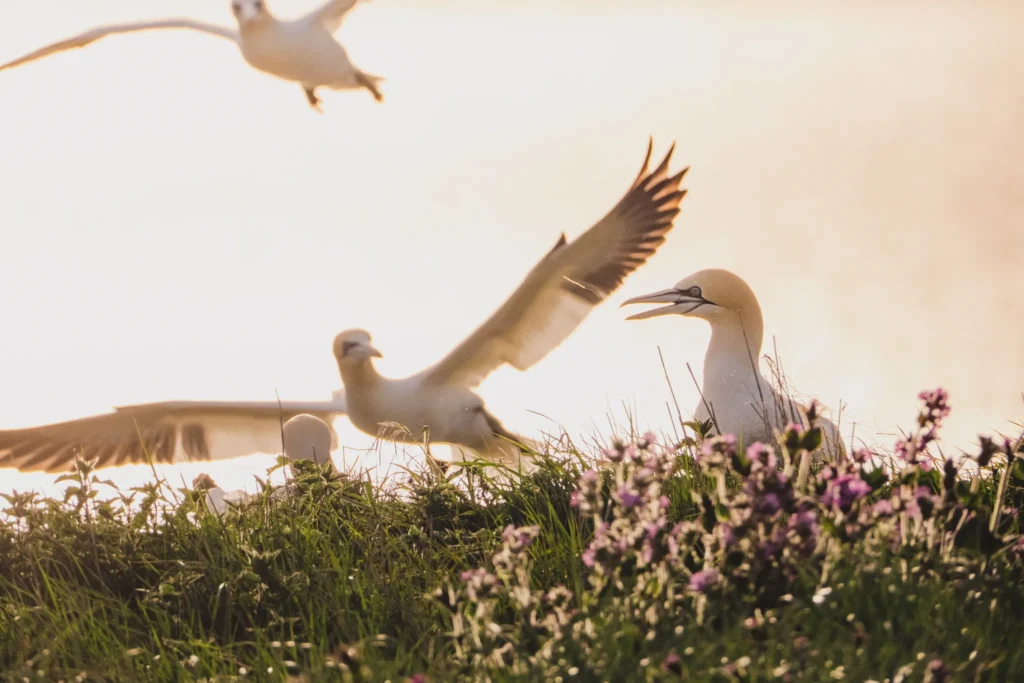
A little further south in Yorkshire more marine birds are on the same mission on Bempton Cliffs near Bridlington and it is something to behold. Towering chalk cliffs drop dramatically into the North Sea, and from April to July they come alive with spectacular displays. Thousands of seabirds, gannets, kittiwakes, razorbills, and puffins crowd the ledges, filling the air with movement and sound.
Gannets, with their six-foot wingspans, plunge into the sea at speeds of up to 60 mph to catch fish. Puffins, often called the “clowns of the sea,” return each year to the same burrows, with their lifelong mates. It’s chaotic, noisy, and utterly mesmerising, reminding you how vibrant, colourful and dynamic the natural world really is.
Rare Birds on Holkham Beach, Norfolk
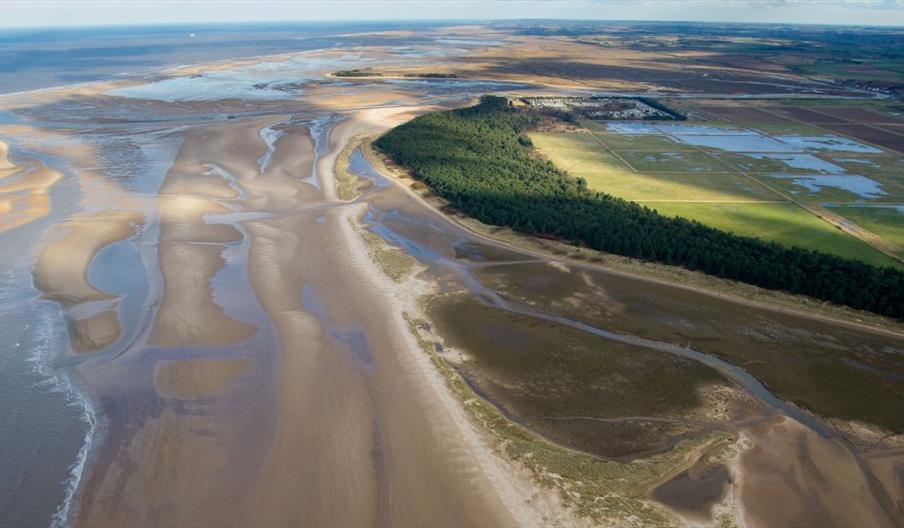
Further South again lies Norfolk, where the sky feels bigger, the weather dryer and, at low tide, the sea retreats so far that it creates a vast mirror of wet sand, reflecting clouds and sky in a way that feels absolutely surreal. The beach that embodies this special quality is Holkham near Wells-next-the-Sea, but it’s not the beauty that makes it so spectacular, it’s the wildlife it supports within this Nature Reserve. This is also one of Norfolk’s best beaches for families, so one to keep in mind when planning your next coastal break.
The surrounding dunes and salt marshes are home to stunning rare sea bird species, including spoonbills, which have made a remarkable return to Norfolk after centuries of absence. In winter, the skies fill with pink-footed geese arriving in their thousands, their calls echoing across the landscape. Here, you’re not just observing nature, you’re becoming part of a living ecosystem that shifts with the seasons.
Grey Seals along Horsey & Winterton Coast, Norfolk
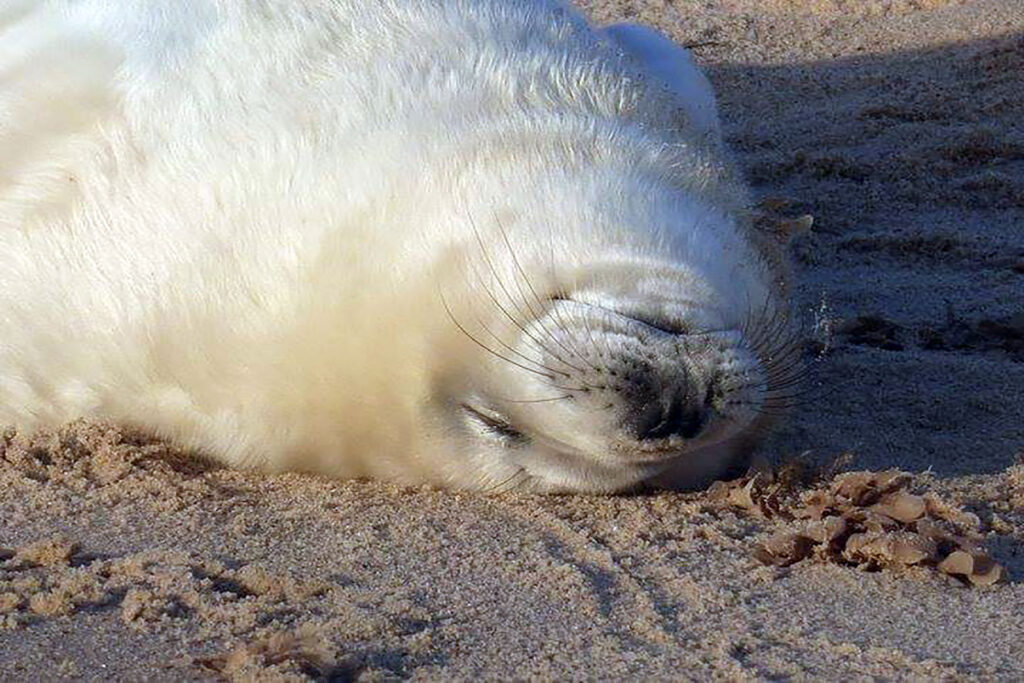
Thirty miles along the Norfolk coast south of Cromer and Mundesley, the beaches at Horsey and Winterton-on-Sea offer one of the UK’s most extraordinary wildlife encounters: a grey seal colony with platforms from which to witness them.
Each winter, hundreds of seals haul themselves onto the sand to give birth. Pups, covered in soft white fur, lie scattered across the dunes, while adults move slowly between sea and shore. It’s a scene that feels both intimate and ancient, a reminder of life cycles that have continued long before we arrived and will continue long after.
What makes this experience so powerful isn’t just the sight itself, but the stillness it demands. You find yourself moving more slowly, speaking more quietly, paying closer attention. And in doing so, you begin to notice the elements, the wind through the grass, the patterns in the sand, the subtle movements of the tide.
Dolphins and Porpoise on the Pembrokeshire Coast, Wales
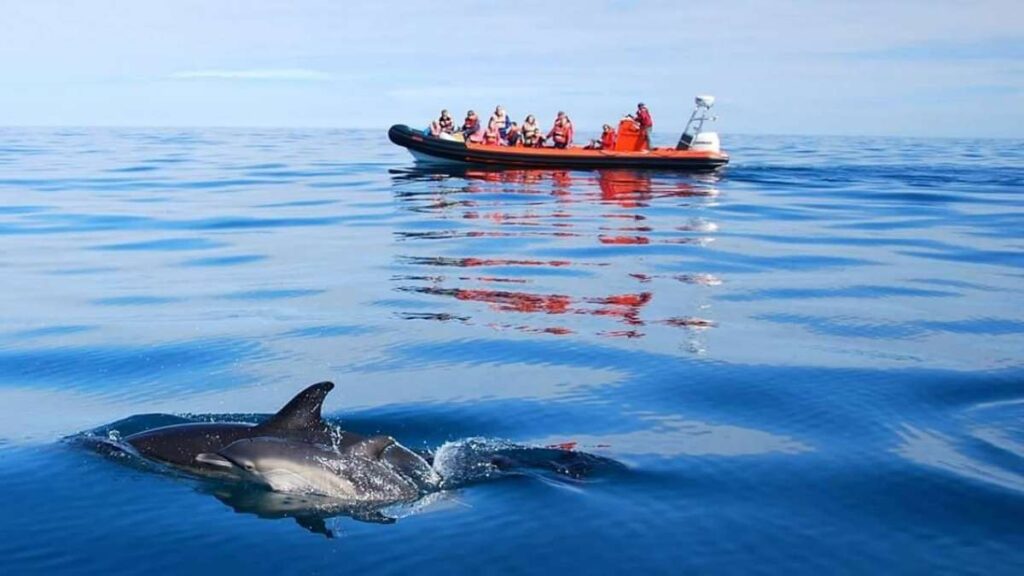
The Pembrokeshire Coast feels different. Wilder, perhaps more elemental. The coastline twists and turns through cliffs, hidden coves, and offshore islands, creating a landscape that feels both dramatic and deeply peaceful. The Pembrokeshire Coast Path offers miles of walking, with each turn revealing something new because it’s remote and wildlife thrives here. Dolphins, porpoises and otters are often spotted offshore, while Choughs nest along the cliffs.
In spring and summer, wildflowers carpet the headlands, adding bursts of colour to the rugged terrain immersing coastal walkers in a fairytale landscape. Take a boat trip from St Davids or Tenby for the full seafaring experience.
Seals and Dolphins in Moray Firth, Scotland
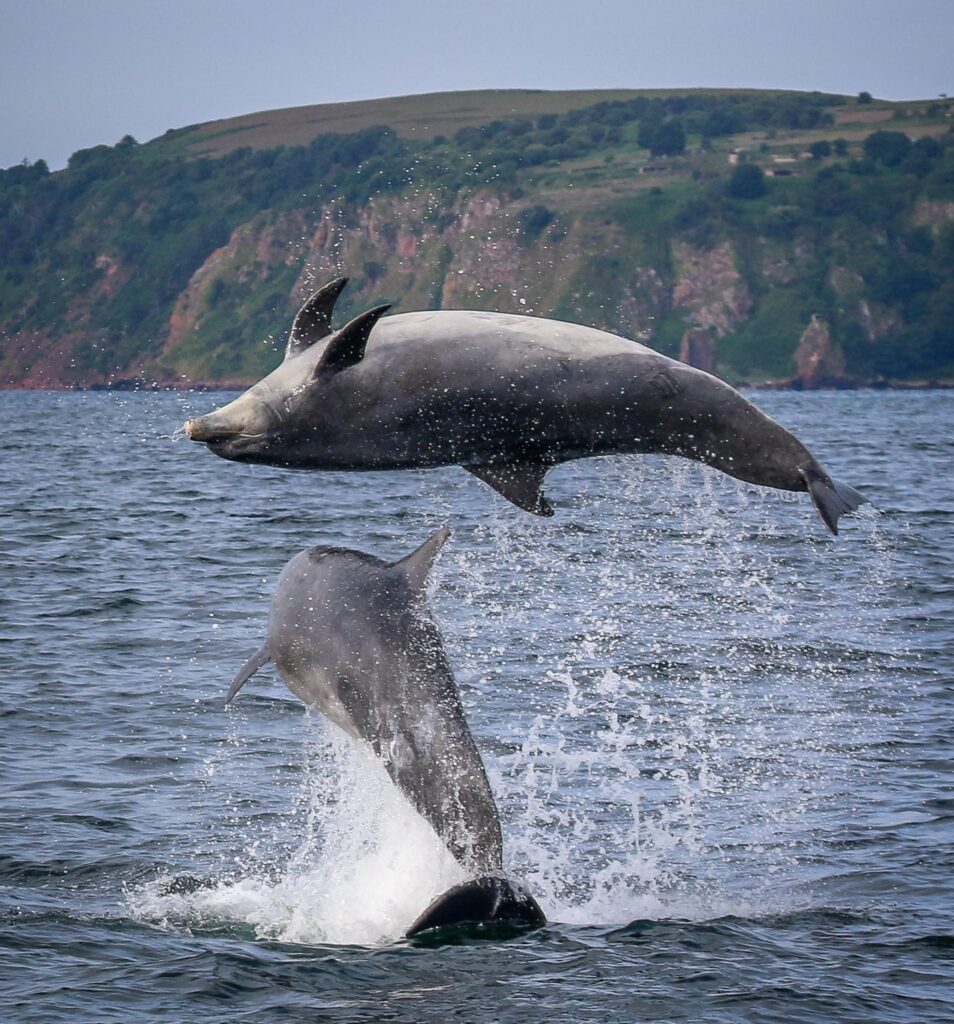
For something truly special, head north to the Moray Firth in Scotland, one of the best places in the UK to see bottlenose dolphins in the wild. These powerful, intelligent animals often come surprisingly close to shore, and watching them leap and surface through the water is a moment of pure joy. The best way to experience the beauty of these creatures is to take an Ecoventures boat trip.
But the magic here goes beyond dolphins. Seals bask on sandbanks, seabirds circle overhead, and the light, constantly shifting across sea and sky, adds a sense of drama to everything you see. It’s a place that reminds you just how alive the seas really are.
Sealife Safaris along the Wild Atlantic Coast, Cornwall
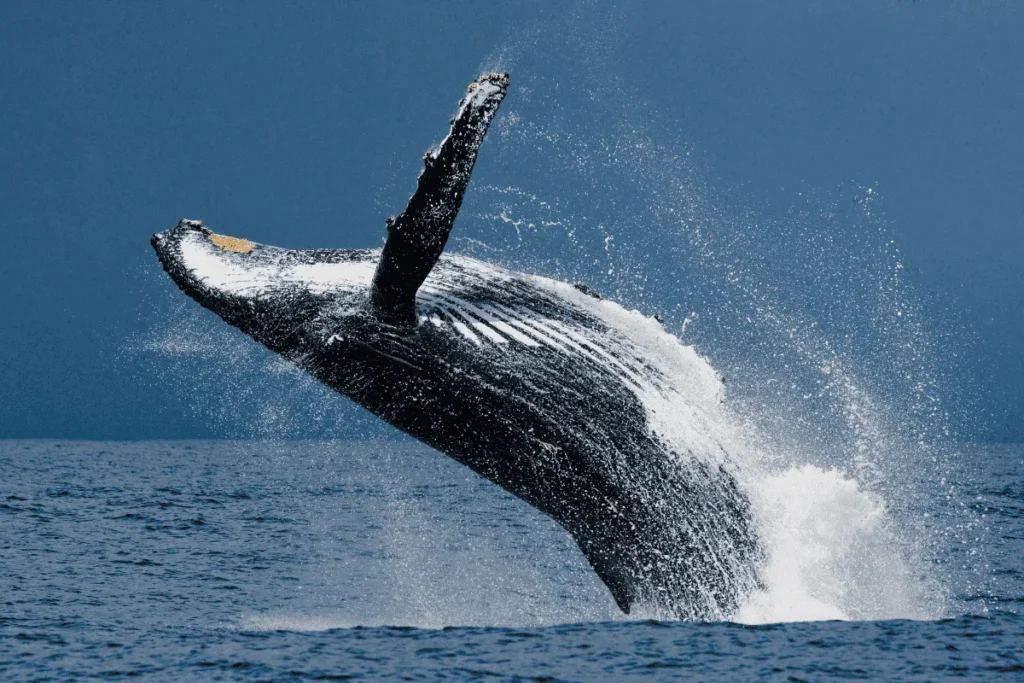
Another remote natural paradise is Cornwall’s Wild Atlantic coast. Yes, it is best known for its beaches, but beyond the popular spots lies a coastline that feels truly wild. Along these Atlantic-facing shores, waves crash against rugged cliffs, and hidden coves offer moments of quiet escape. The South West Coast Path winds its way through it all, offering endless opportunities to explore on foot.
Wildlife here is ever-present with seals, peregrine falcons and the odd basking shark gliding through the water. Take a boat with Padstow Sealife Sarafis around Cape Cornwall and you could see three types of Dolphins, Sharks and Whales amongst many other species.
Get Back to Nature and Book a Coastal Break!
What these places share is not just their beauty, but how they make you feel. They give your mind space to slow down, with wide views and the steady sound of the waves helping you to relax. The coast does not ask anything from us. It is simply there, full of life and always moving. When we take time to notice the wildlife, the changing tides and the open space, it can leave us feeling calmer, more grounded and full of wonder. To spend more time by the coast spend a few moments browsing all of the fabulous holiday homes by the beach listed with us, some that enjoy uninterrupted sea views and easy access to the beachfront.