
Devon Coastal Walks: Where to Walk, Stay and Explore
Devon is one of the best counties in the UK for coastal walking because it gives you two very different shorelines in one place. The north coast is more exposed, with surf beaches, high cliffs, dunes and long views across the Bristol Channel. The south coast has a different feel, with estuaries, harbour towns, wooded valleys, coves and quieter seaside resorts.
For anyone planning a beach cottage holiday, walking is one of the easiest ways to get more from the coast. You do not need to plan a major hiking trip or tackle huge distances every day. Even a short route by the water can help you get moving, get outside and enjoy the health benefits of being by the sea.
Devon also has the advantage of the South West Coast Path running along both its north and south coasts. Some sections are steep and demanding, while others are easy enough for a relaxed morning walk before lunch. If you are planning a wider walking holiday, our guide to the England Coast Path is a good place to compare Devon with other standout coastal routes.
The key is choosing the right base for the kind of walking you actually want to do. Some visitors want long clifftop routes and proper hiking days. Others want beach walks, harbour paths, easy village-to-village routes or somewhere they can head out for an hour before dinner. If you want to stay close to the coast path, browse Devon beach cottages near the sea and choose a base that matches the kind of walking you want.
North Devon: surf beaches, dunes and headlands
North Devon is a good place to start if you like big beaches and open coastal scenery. Woolacombe, Croyde, Saunton and Westward Ho! all work well for walking holidays because the beaches are large, easy to enjoy and linked with nearby paths, dunes and villages. If beach choice matters as much as the walking, our guide to the best beaches in Devon can help you narrow down the best places to stay.
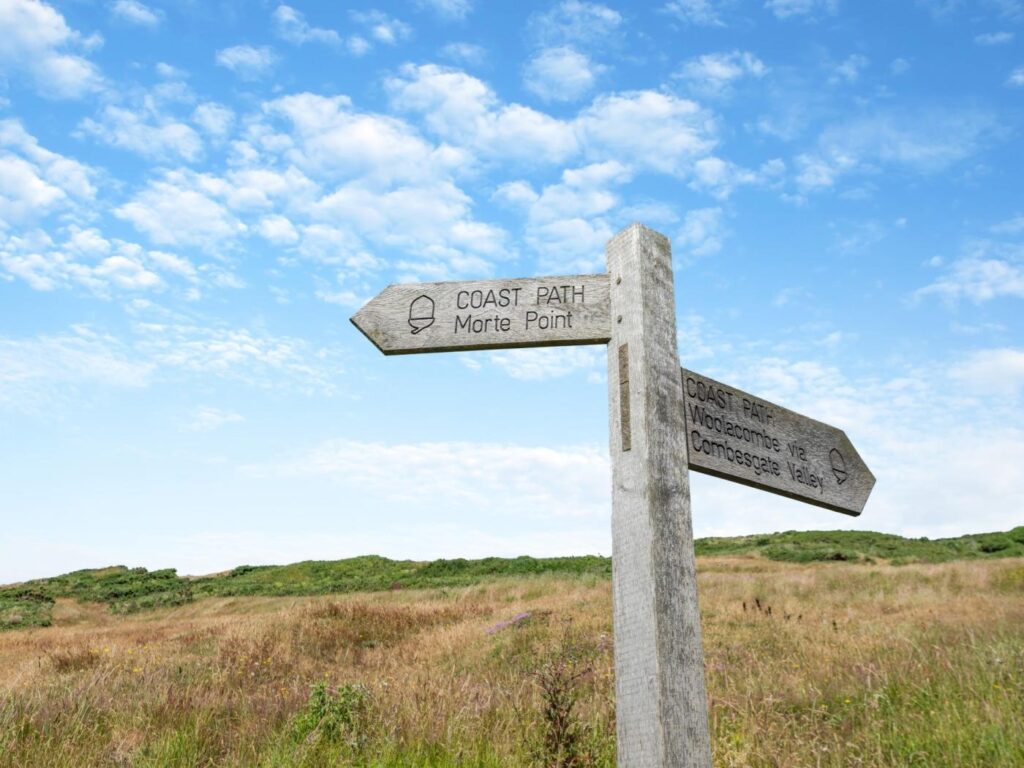
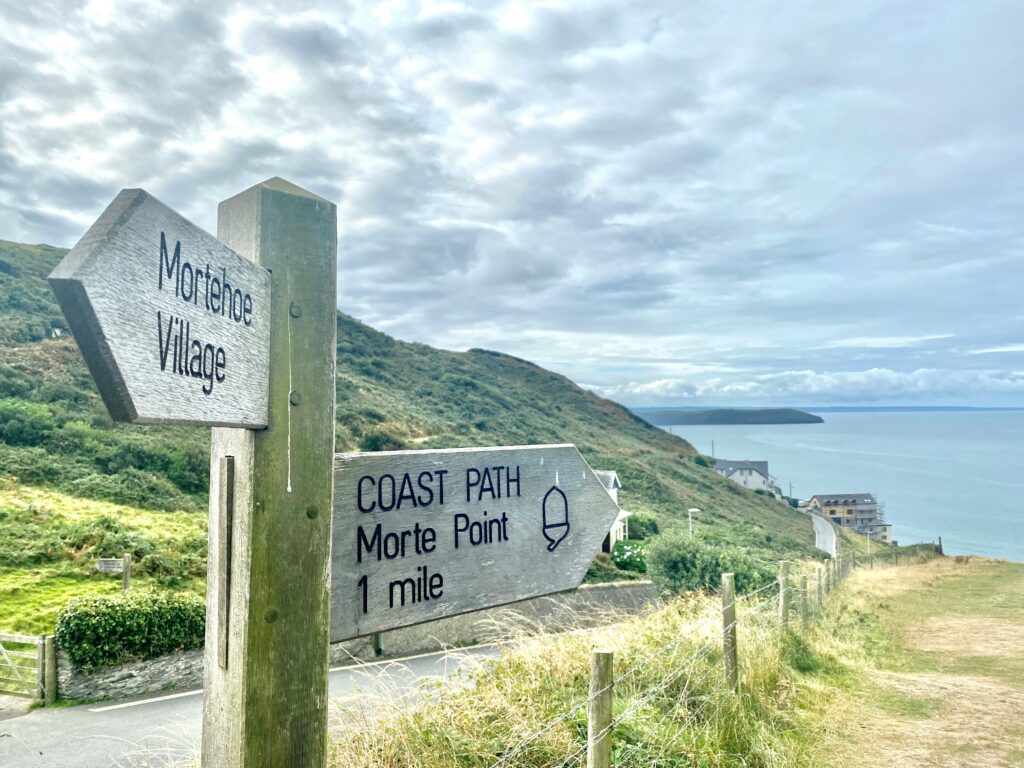
Woolacombe is one of the most practical bases for walkers who still want a classic beach holiday. The main Woolacombe Beach is long and sandy, with village facilities close by, while the surrounding coast gives you several walking options. You can head towards Morte Point for rocky headland views, or go in the other direction towards Putsborough and Baggy Point.
Croyde is another good option, especially if you want a smaller village with surf culture and good walking nearby. Baggy Point is one of the area’s best-known routes, with views over Croyde Bay and towards Woolacombe. It is a manageable walk for many visitors, but still gives you a proper headland route without needing to turn it into a full-day hike.
Saunton is ideal if you prefer a flatter beach walk. Saunton Sands stretches for miles, backed by Braunton Burrows, one of the most important dune systems in the country. This area is good for long, steady walks rather than clifftop climbs, although the dunes can be harder going than they first appear.
Further west, Westward Ho! gives you a different North Devon walking base. Westward Ho Beach is long, open and backed by the Pebble Ridge, with Northam Burrows behind it. From here, you can walk towards Appledore for estuary views, or keep the focus on beach walks, rock pools and wide coastal views.
Appledore, Instow and the Taw-Torridge Estuary
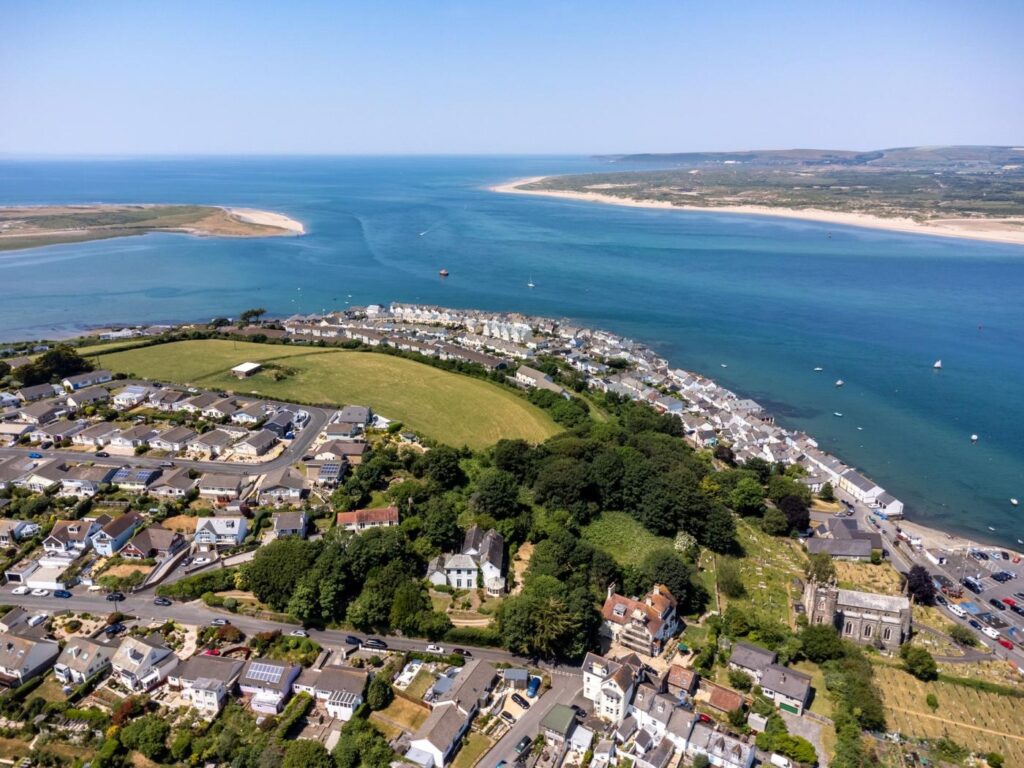
Not every Devon coastal walk needs cliffs and surf. Around Appledore and Instow, the landscape becomes more estuary-based, with easier routes, village streets, quaysides and views across the water.
Appledore is a good choice if you like harbour villages, narrow streets and easy walks with places to stop for food. You can walk towards Westward Ho! via Northam Burrows, which gives you a mix of estuary, open coast and beach. It is a good route if you want variety without heading too far from local facilities.
Instow has a more laid back feel, with a sandy estuary beach and views across to Appledore. The Tarka Trail is a major advantage here, especially for walkers and cyclists who prefer flatter routes. From Instow, you can follow easy sections towards Bideford or Barnstaple, making it a sensible base for relaxed walking days rather than steep coastal climbs.
This part of Devon is especially good for families, mixed-age groups or anyone who wants walking to be part of the holiday without taking over the whole trip. You can do a short route in the morning, stop for lunch by the water and still have plenty of time for the beach.
Ilfracombe, Combe Martin and the Exmoor coast

For more dramatic walking, the coast around Ilfracombe, Combe Martin and Exmoor becomes much steeper and more rugged. This is not the easiest part of Devon for casual strolls, but it is one of the most rewarding if you want big views and proper coastal paths.
Ilfracombe makes a good base because it combines harbour-town facilities with direct access to the coast path. You can walk towards Lee Bay, the Torrs or Hele, depending on how far you want to go. The town also gives you boat trips, places to eat and wet-weather options, which helps if you are staying for more than a weekend.
Combe Martin is smaller and closer to the Exmoor edge. Walks around here can be steep, but the rewards are excellent, especially around the Hangman Hills. This area is better for confident walkers than for push-chairs or easy family beach walks.
Further east, places such as Lynton, Lynmouth, Heddon Valley and Martinhoe give you some of Devon’s most dramatic coastal walking. Expect wooded valleys, high cliffs, rocky coves and proper climbs. This is the kind of coast where good footwear matters, and where a short distance on the map can still feel like a real outing.
South Devon: estuaries, coves and harbour towns
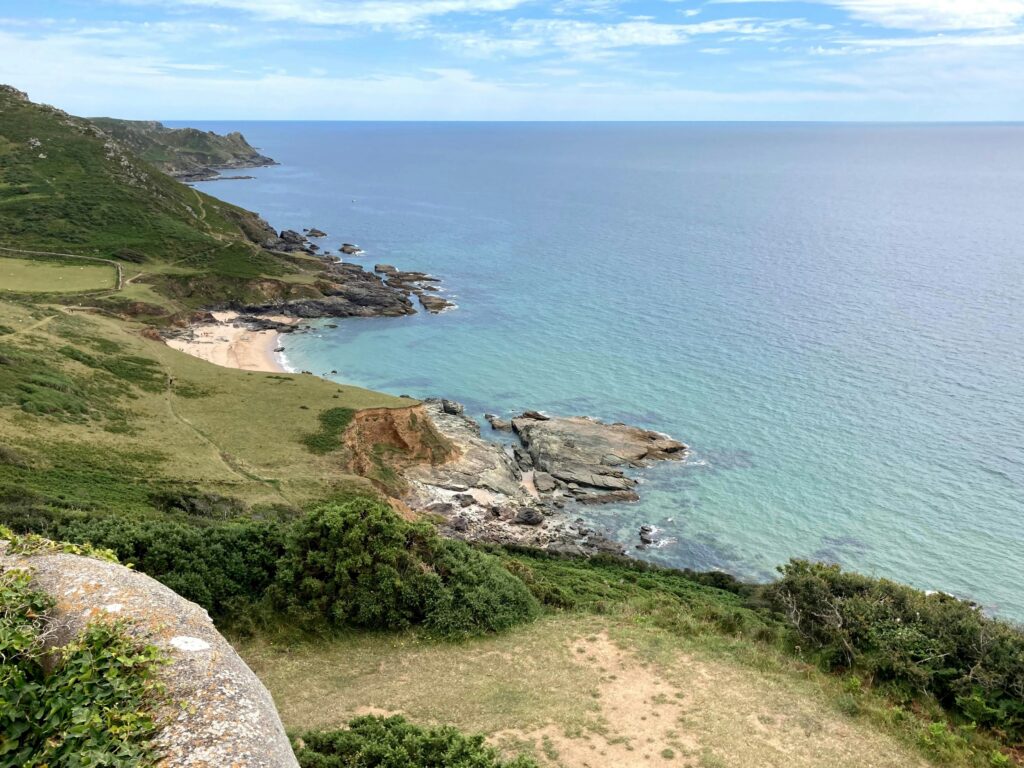
Coastal walks in South Devon are completely different. The coastline is often more sheltered, with river mouths, wooded creeks, small beaches and harbour towns. It is a good choice if you want walking routes with pubs, ferries, cafés and villages built into the day.
Dartmouth is one of the best bases for this style of coastal walking. The town itself is set beside the River Dart, with ferries to Kingswear and routes towards Dartmouth Castle, Little Dartmouth and the coast beyond. It is a good place to stay if you want river views, boat trips and walks that can be combined with food and local exploring.
Salcombe is another excellent base, especially if you want beaches and estuary views in the same trip. Walks around North Sands, South Sands, Bolt Head and East Portlemouth give you plenty of options. The ferries make things more interesting, letting you cross the water and build circular or one-way routes into the day.
Hope Cove and Thurlestone are better for a smaller village base. Hope Cove has two beaches and direct access to the coast path, with routes towards Bolt Tail and Thurlestone. Thurlestone gives you wide beach views, coastal paths and the landmark of Thurlestone Rock. Both places work well if you want walking to start almost from the door of your holiday home.
If you are staying around Torquay, Paignton or Brixham, walking can easily be paired with lunch or dinner overlooking the water. Our guide to the best English Riviera restaurants with sea views is handy if you want to plan a coastal walk around a proper meal rather than just a quick café stop.
Torcross, Start Bay and the quieter South Hams
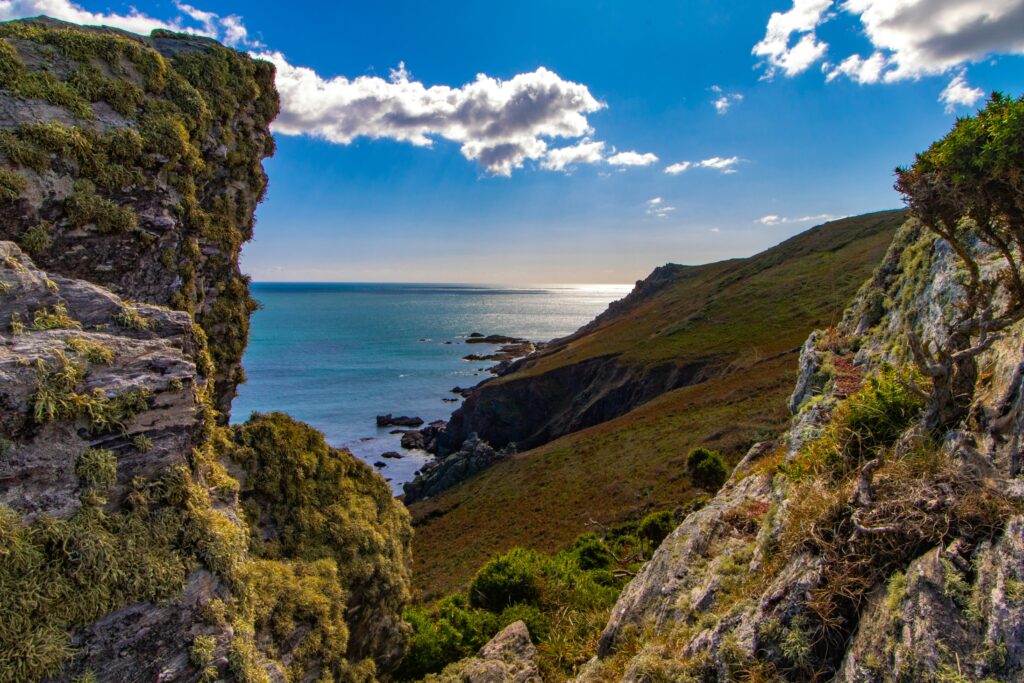
Torcross is a good option if you want something less resort-like. The village sits beside Slapton Sands, with Slapton Ley nature reserve behind the beach. This gives you a rare combination of long shingle shoreline, freshwater lake, wildlife and local history in one place.
Walks around Start Bay can be simple or more involved depending on how far you go. You can keep things easy with a walk along the beach and around the nature reserve, or head towards Beesands, Hallsands and Start Point for a longer coastal day. This part of South Devon is good for people who like quieter villages, birdwatching, history and open sea views.
Blackpool Sands, Strete and Dartmouth are also nearby, so Torcross can work well as a base for a more relaxed South Devon stay. It is less polished than Salcombe and less busy than Paignton or Torquay, which is exactly why some walkers prefer it.
East Devon and the Jurassic Coast
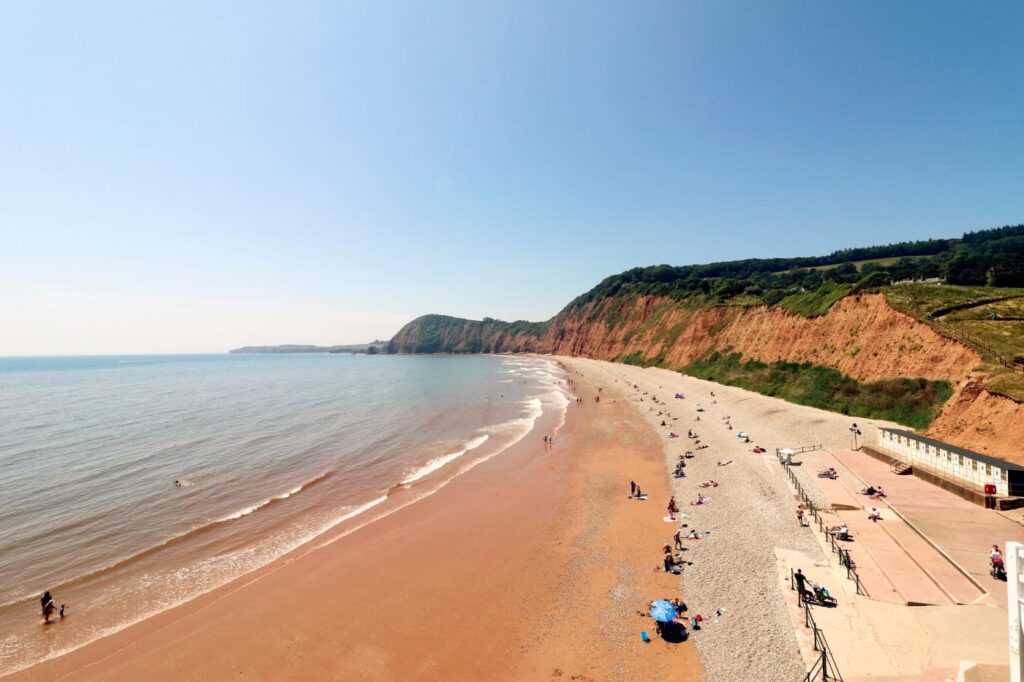
East Devon brings another change of scenery, with pebble beaches, red cliffs, fossil-rich coast and seaside towns such as Sidmouth, Seaton and Beer. This part of the county connects with the Jurassic Coast, so the walking has a clear geological interest as well as sea views.
Seaton is a practical base if you want a quieter town with beach walks, estuary routes and access to nearby villages. The walk towards Beer is a popular choice, giving you cliff views and a clear destination with cafés and a sheltered beach at the end. Beer itself is a lovely smaller base, with fishing boats on the beach and access to coastal paths in both directions.
Branscombe is another good choice for walkers. The village stretches down towards the sea through a long valley, with access to the coast path and routes towards Beer or Sidmouth. This area has a more rural feel than the bigger seaside towns and suits visitors who want walking, pubs, thatched cottages and Jurassic Coast scenery.
Sidmouth works well if you want a more established seaside town with gardens, shops and a promenade, while still having proper walking nearby. Routes towards Ladram Bay, Peak Hill and the surrounding cliffs give you good options without losing the comfort of a town base.
Where to stay for Devon coastal walking
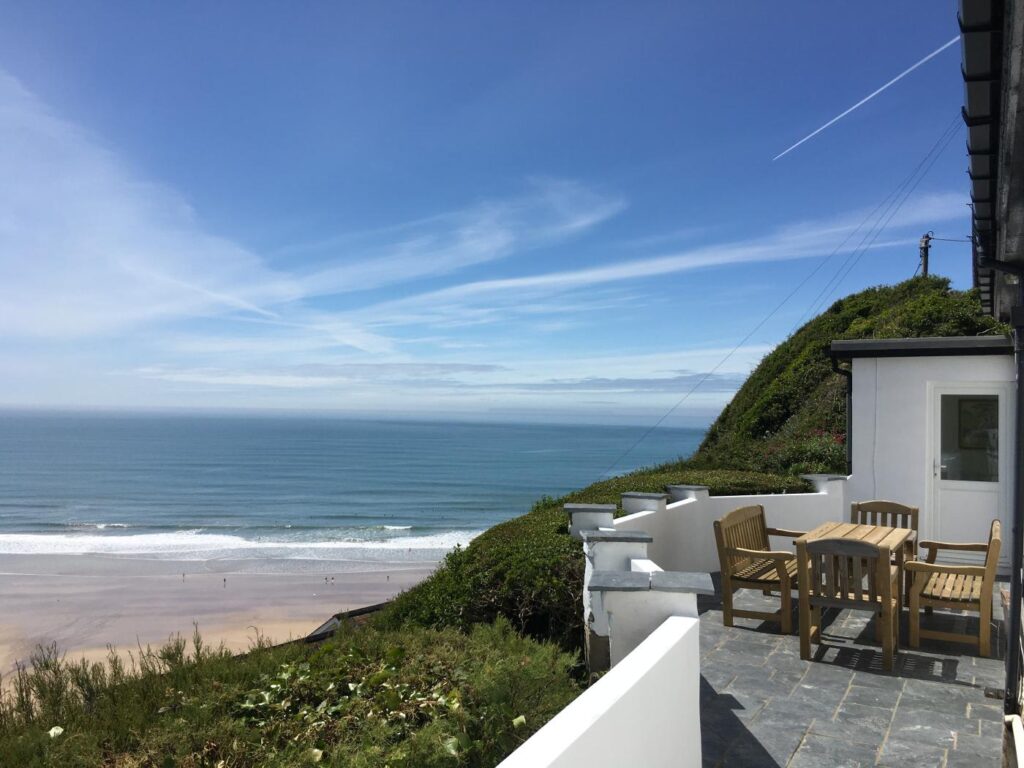
The best place to stay depends on the kind of walking you want. For big beaches and surf, look at Woolacombe, Croyde, Saunton or Westward Ho!. For harbour walks and estuary routes, Appledore, Instow, Dartmouth and Salcombe are good choices. For steep cliffs and dramatic scenery, Ilfracombe, Combe Martin, Lynton, Lynmouth and Martinhoe are better suited.
For quieter South Devon walking, Hope Cove, Thurlestone and Torcross are worth considering. For Jurassic Coast routes, Seaton, Beer, Branscombe and Sidmouth all work well. If you want more going on in the evenings, choose a town such as Dartmouth, Torquay, Paignton, Ilfracombe or Sidmouth. If you prefer quieter lanes and smaller beaches, the villages will usually suit you better.
A beach cottage makes coastal walking easier because you can plan your walks naturally into your day. You can head out after breakfast, come back for lunch, or choose a short evening route when the beaches are quieter. It also gives you flexibility when the weather changes, which matters in Devon more often than anyone likes to admit!
Simple tips before you set off
Devon’s coast is beautiful, but it is not always gentle. Some paths are steep, muddy or exposed, especially in North Devon and around Exmoor. Wear proper footwear, check the weather and do not rely only on distance when judging a walk. A three-mile cliff route can feel very different from three miles along a promenade.
Tide times matter too. Some beaches, coves and estuary routes change quickly, and sections that look easy at low tide may not be available later in the day. If you are walking with children or dogs, plan around access, shade, water and places to stop.
For many visitors, the best Devon coastal walks are not the longest or hardest. They are the ones that match the day: a beach walk before breakfast, a headland route before lunch, a steady path to the next village, or a clifftop stretch with time to stop and look back. If your dog is coming too, start with Devon dog friendly cottages so beach rules, walking routes and outdoor space are easier to plan around.